


Why we deadhang
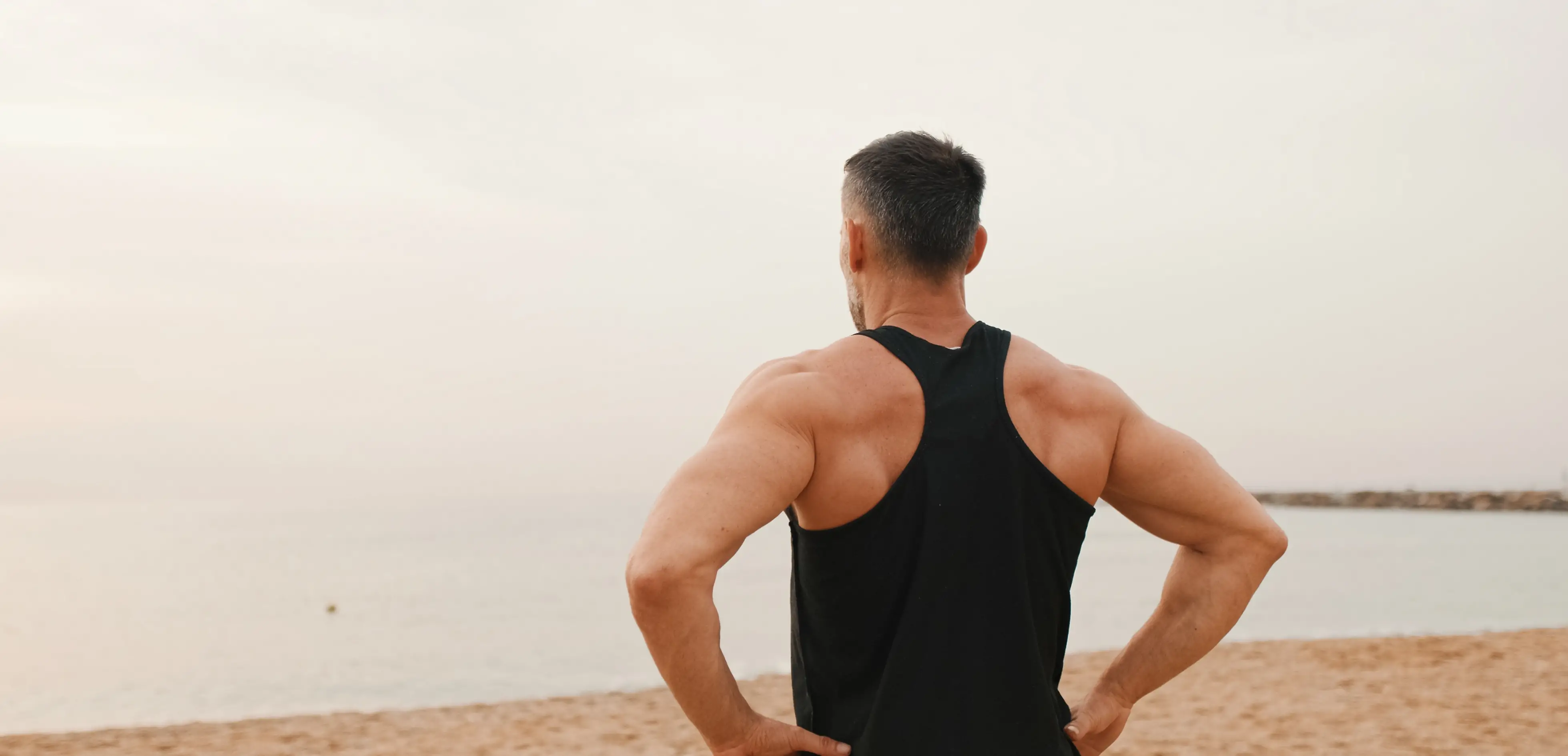
The dead hang is alive and well in the longevity fitness world—and it’s a true foundational movement at Func Fit. Simple, primal, and wildly effective, the dead hang might be one of the most underrated tools we have for staying strong as we age. Think of it as a low-tech fountain of youth: no supplements, no fancy gadgets, no biohacking jargon—just you, your hands, and a bar.
When you hang, you’re quietly training one of the strongest predictors of longevity we know: grip strength. Research consistently shows that grip strength is closely linked to overall health, resilience, and independence later in life. A strong grip isn’t just about opening jars or carrying groceries—it’s associated with lower risk of chronic disease, fewer falls, and greater functional capacity as we age. In many ways, your grip is a window into your total-body strength and nervous system health.
Dead hangs also give your spine a much-needed mini vacation. In a world where we spend hours sitting, compressing our backs, and rounding our shoulders, hanging allows gravity to finally work for us instead of against us. The gentle traction decompresses the spine, creates space between the vertebrae, and can help relieve tension built up from long days at desks, phones, and steering wheels. It’s passive, restorative, and incredibly effective. You may even grow an inch taller.
Your shoulders, elbows, and wrists benefit too. Hanging strengthens the connective tissue of the upper body while encouraging the joints to move the way they were designed to move—freely, fluidly, and under load. Over time, this builds resilience in joints that are often fragile, tight, or painful in adults who stop using them dynamically. Instead of isolating muscles, the dead hang trains the entire upper body as an integrated system.
Perhaps most importantly, hanging preserves a deeply human skill: supporting your own bodyweight. As children, we climb, swing, and hang without thinking twice. As adults, many of us lose this ability entirely—often without realizing it—until it’s gone. Reclaiming this skill isn’t about looking athletic; it’s about maintaining autonomy. Being able to hold your own body up is foundational to balance, coordination, and real-world strength.
At Func Fit, our long-term goal is a 90-second dead hang for women and a 2-minute hang for men. But perfection isn’t the point. Even a few playful seconds on the bar each day can compound over time. Small doses, done consistently, pay off for decades—helping you stay mobile, capable, and confident in your body.
In a fitness world obsessed with complexity, the dead hang reminds us that sometimes the most powerful practices are also the simplest. Hang often. Hang lightly. And let your future self thank you.
Share this post


